Decide whether you need rehearsal or recording
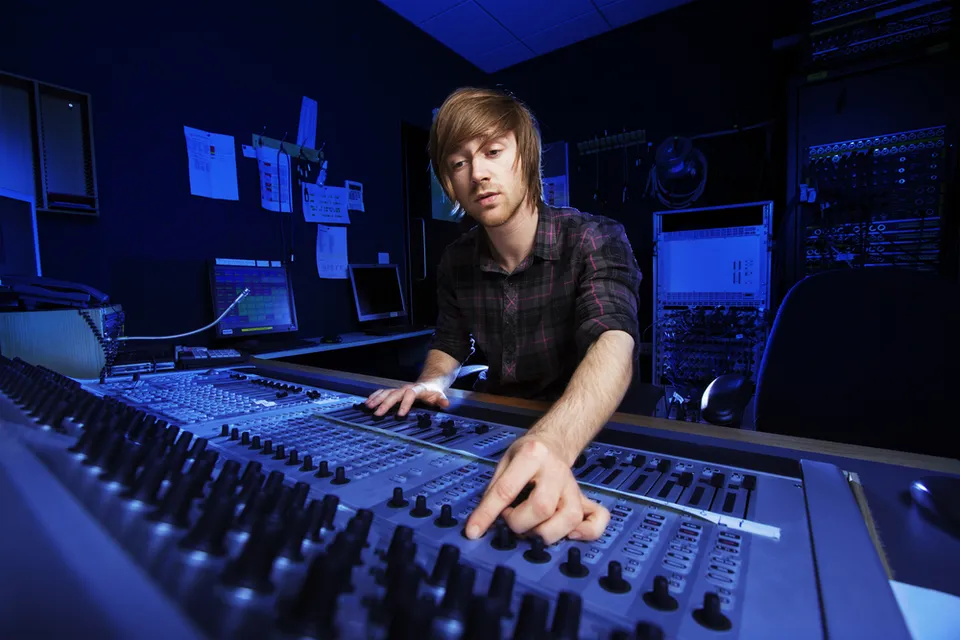
For learning a song with a band, you may simply need a room with a suitable PA and enough space to hear one another. For a vocal demo, you may need an engineer, a recording room and agreed editing and delivery arrangements. A rehearsal booking does not automatically include recording, and a recording package does not necessarily include an accompanist or backing track.
Write a short description of the task before asking for a quote. Explain how many people will attend, what instruments you are bringing and whether you want to record an original song or sing to an existing accompaniment. Include any access needs and your experience. A clear brief makes it easier for the provider to suggest a realistic session rather than sell you time without a plan.
Sound Haven Studios: a Swansea rehearsal option
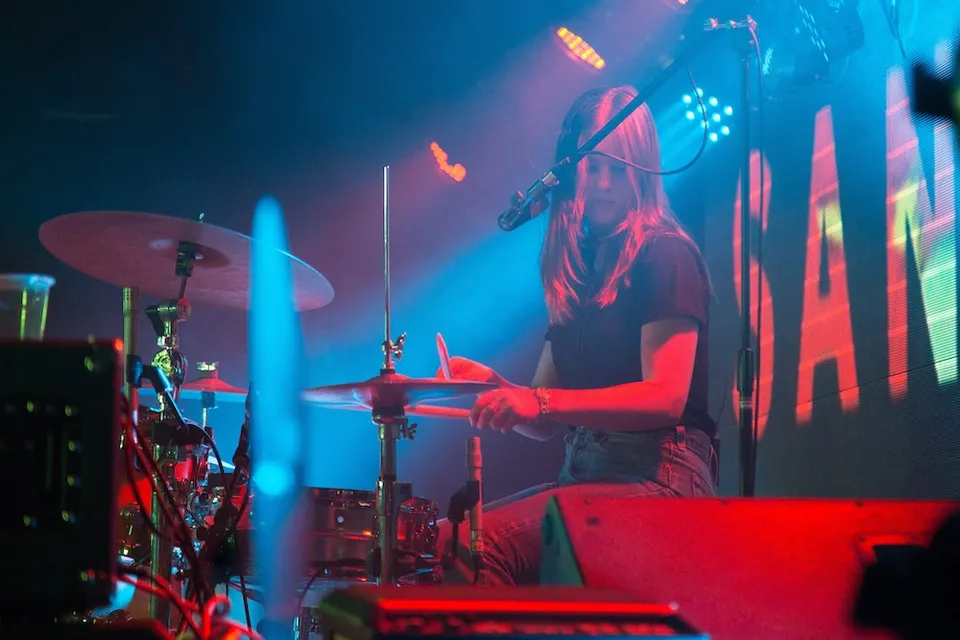
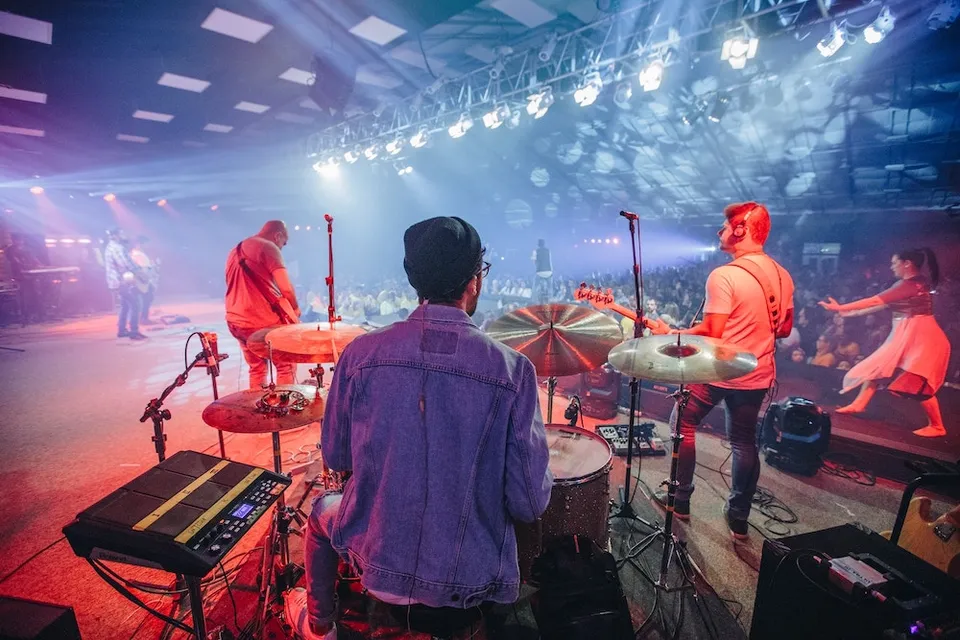
Sound Haven Studios lists three rehearsal rooms at SA1 Business Park, Swansea SA1 8DB. Its current website describes rehearsal facilities with backline and PA, alongside equipment hire and storage. Check which room and equipment suit your booking, how you connect playback and whether a microphone and stand are included. Do not assume a rehearsal booking includes an engineer or finished recording.
For a first band rehearsal, choose a small set of songs and agree the versions beforehand. Bring a list of keys, starting cues and endings. Set aside time to establish a clear listening balance rather than immediately playing through everything. If the singer cannot hear the accompaniment or the words disappear, pause and adjust the setup together before continuing.
Creative and educational routes
Swansea MAD is a local creative organisation based on High Street. Its published project archive includes music-making activity. Contact the organisation about current opportunities, eligibility and any recording support rather than treating an older project announcement as a bookable commercial studio package. Community provision can depend on particular projects, age groups and available places.
UWTSD’s Swansea College of Art describes recording and production facilities used by music technology students, including the SA1 Studio. This is an educational resource, not a claim that the rooms are available for public hourly hire. If study or collaboration interests you, ask the university about the appropriate course or contact route and the conditions of any opportunity.
Check older studio recommendations carefully
The earlier guide mentioned Rhondda Street Studio, Octagon Productions, Boneyard and Sound Surgery. We could not establish current booking arrangements for all four through accessible first-party information, so their old prices, equipment lists and endorsements are not repeated as present-day facts. An old listing can still be a useful lead, but confirm that the operator is active before planning or paying for a session.
Keep the geography clear when comparing options. Octagon’s earlier listing was in Port Talbot, while Boneyard’s was in the Neath area; neither should be presented as a Swansea city-centre studio. If you consider a provider farther away, include transport, loading time and your return journey in the decision. Ask for the current address directly rather than relying on an archived map pin.
Prepare the music before the session
Practise with the exact accompaniment you intend to use and know the introduction, instrumental breaks and ending. Save the agreed file in the format requested by the studio and bring a backup. Label files clearly with the song title and key where appropriate. If you are bringing original music, share a rough demo beforehand so the engineer understands the arrangement and intended result.
A useful goal for an early session might be one complete performance or a short demo, not an entire album. Discuss realistic timing, breaks and the number of songs with the provider. You can explore the musical preparation in singing lessons. The session is more likely to feel manageable when the musical decisions are already familiar and the technical work has a clear purpose.
Agree what you will receive
Ask whether the quoted price covers setup, the engineer, editing, mixing and delivery. Establish how many revisions are included, which file types you receive and whether separate vocal and accompaniment files are available. Ask how long files are retained and keep your own backup when they arrive. These questions matter more than a long list of equipment names you do not yet understand.
Confirm permission before recording other performers or publishing their contributions, and clarify the permitted use of a backing track before release. A parent or guardian should agree supervision and sharing arrangements for a child’s session. Afterwards, listen for one achievement and one next step. A recording is a useful snapshot of a performance, not a final verdict on your ability to sing.